BECOME A MEMBER

Our Previous Magazines
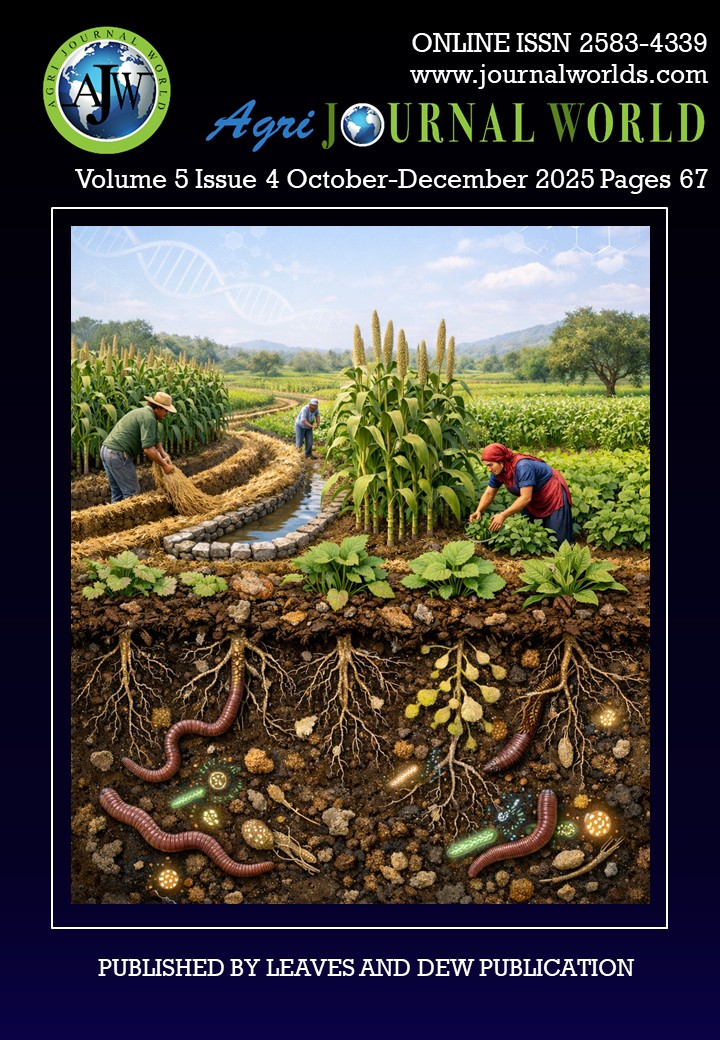










Our Top Articles
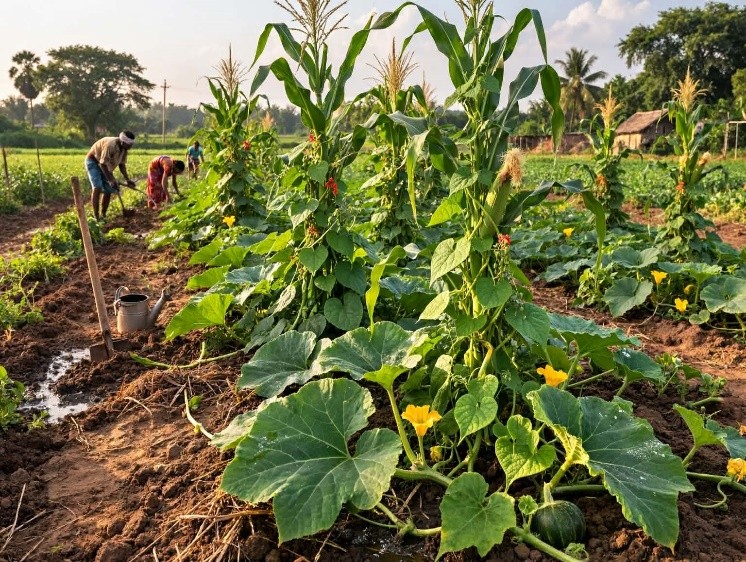
NATURE’S BEST FRIENDS: HOW CROPS SUPPORT EACH ...
...Farming is often viewed as a battle against nature, where plants are forced to compete for limited resources. However, agricultural science increasingly shows that crops can also cooperate. This article explores the concept of companion cropping, a practice in which different plants are grown together to support one another. In particular, it examines the practical relationship between Garlic and Coriander, where Coriander helps protect young Garlic plants by moderating sunlight exposure, while Garlic reduces pest pressure through its strong natural odor. By also reviewing classic examples such as maize, beans, and squash, this article demonstrates how working with natural plant interactions can improve crop health while reducing dependence on chemical inputs.
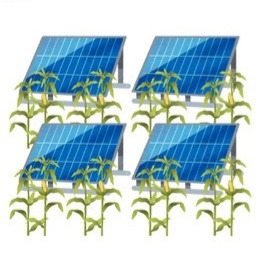
AGRIVOLTAICS: WHERE FARMING MEETS SOLAR POWER...
...Agrivoltaics (Agri-PV or solar sharing) is a dual land-use system that combines crop production with photovoltaic energy generation to optimize land productivity. Since crops utilize only a small fraction of incoming solar radiation, surplus sunlight can be converted into electricity with minimal impact on crop growth. Agrivoltaics enhances water-use efficiency, moderates microclimate, reduces soil erosion, and improves resilience to climate stress while supporting biodiversity and shade-tolerant crops. It also diversifies farm income and promotes rural energy access, offering a sustainable and climate-resilient approach despite challenges such as high installation costs.
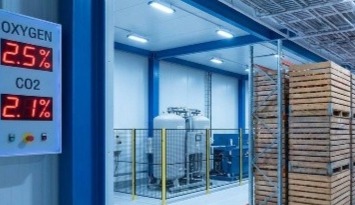
OPTIMIZING SEED LONGEVITY: THE CRITICAL ROLE OF ...
...Seed longevity is essential for agricultural productivity and the conservation of genetic resources. Temperature and relative humidity are the primary factors influencing seed viability during storage. Proper management of these conditions reduces post-harvest losses, maintains germination, and extends seed shelf life. This article discusses the scientific basis of seed longevity, physiological responses to storage conditions, and practical strategies for optimizing seed storage. It also highlights the importance of species-specific storage requirements and advances in storage technologies for preserving seed quality, supporting sustainable agriculture, and safeguarding germplasm for future breeding programs.
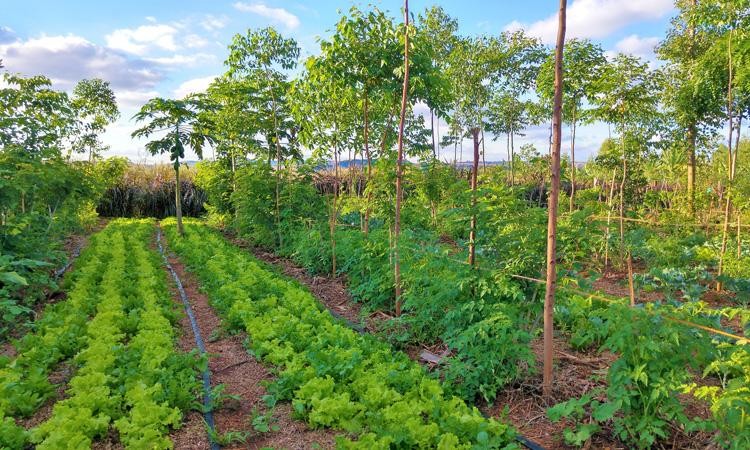
TREE-BASED FARMING SYSTEMS FOR BIODIVERSITY CONS...
...Tree-based farming systems, commonly known as agroforestry, integrate trees with crops and livestock to enhance productivity and environmental sustainability. These systems support biodiversity by providing habitats for wildlife, conserving soil organisms, promoting pollinators, and improving ecological connectivity. Unlike monocultures, agroforestry creates diverse ecosystems that enhance carbon sequestration, nutrient cycling, water conservation, and climate regulation. Traditional agroforestry practices have long preserved genetic resources and ecological balance. This article discusses the role of tree-based farming systems in biodiversity conservation, major agroforestry models, their ecological functions, and future prospects for sustainable land management..
EDITOR-IN-CHIEF


Dr Shiva Dhar
Dr Shiva Dhar is a renowned researcher, working as Principal Scientist at ICAR-Indian Agriculture Research Institute. Dr Shiva Dhar is a renowned researcher, working as Principal Scientist (Agronomy) at the Division of Agronomy, ICAR-Indian Agriculture Research Institute, New Delhi.
Additional Editors-In-Chiefs
.

Dr. Dhruba Malakar
Principal Scientist & Adjunct Professor Animal Biotechnology Centre, National Dairy Research Institute, Karnal-132001, Haryana, INDIA
dhruba.malakar@icar.gov.in
Dr. Masoumeh Younesabadi
Head, Plant Protection Research Department Agriculture and Natural Research and Education centre of Gulestan Province, Iran
myounesabadi8@gmail.com
Dr Sanjeev Kumar
Scientist, Agronomy (FR & MC) Section, ICAR-National Dairy Research Institute, Karnal, Haryana 132001
Sanjeev.Kumar17@icar.gov.inMEMBERSHIP BENEFITS


Our Testimonial
.
A great platform for Agriculture knowledge upgradation

Ms Eung Kagna
(Finance and Partner Manager at Aide et Action International)"Agri Journal World is the best Interface between Authors and Readers in the Domain of Scientific Agriculture”
Dr. Veeraraghavaiah Ravuri
(Director– Agriculture, K L University, Andhra Pradesh)"Agri journal world is best platform to showcase our skills and technology for farming community"