BECOME A MEMBER



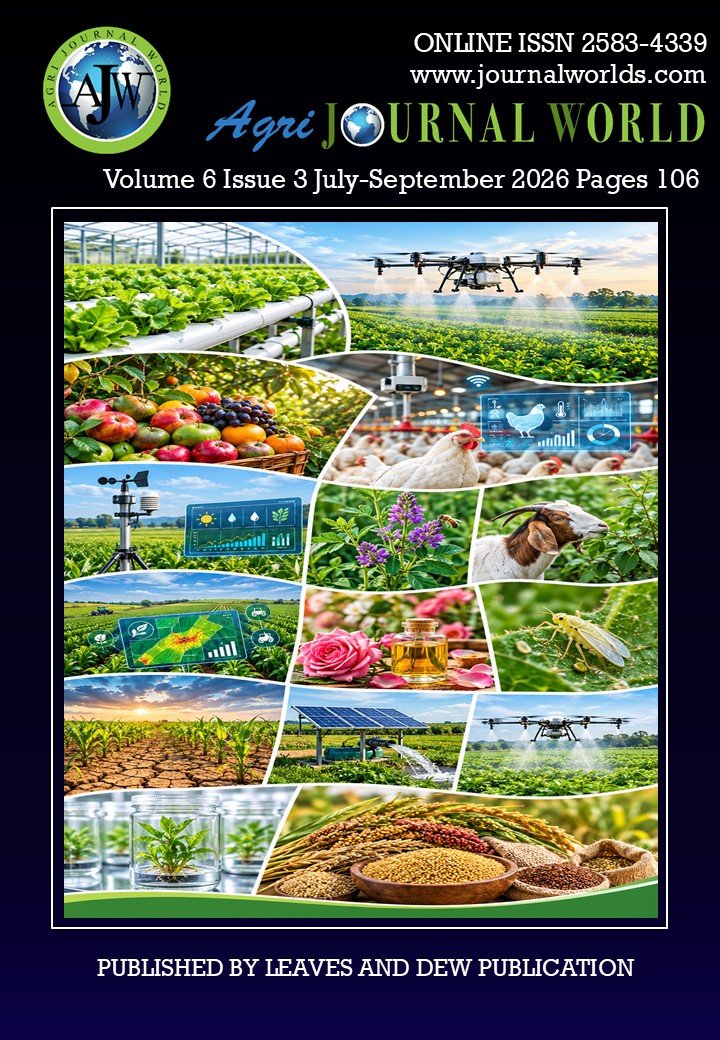
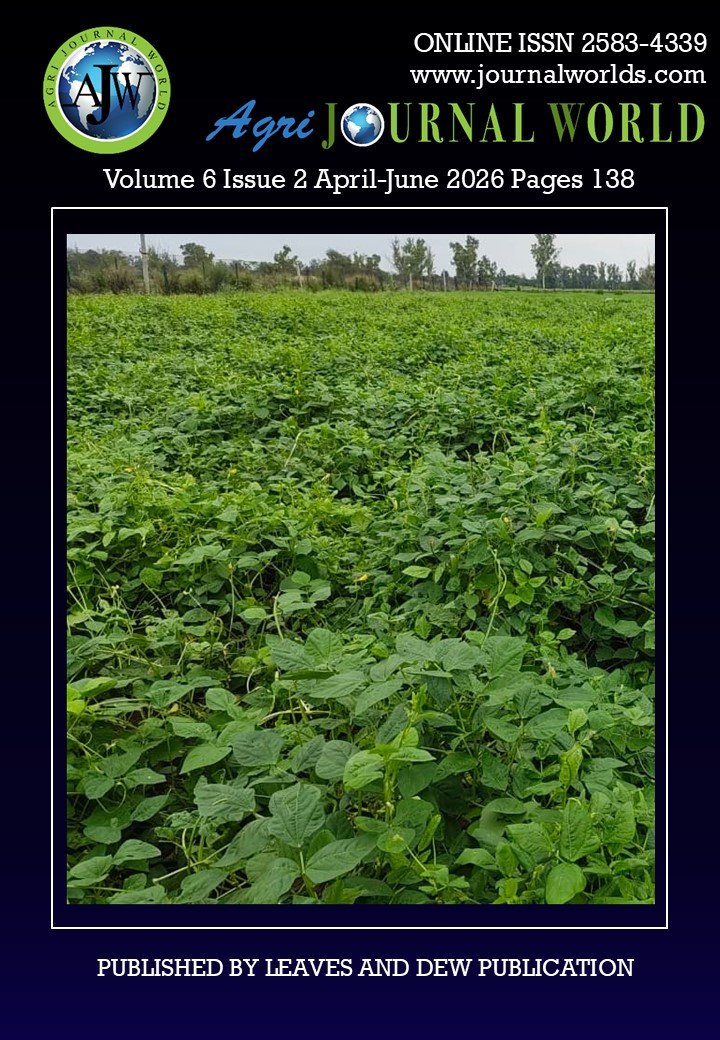
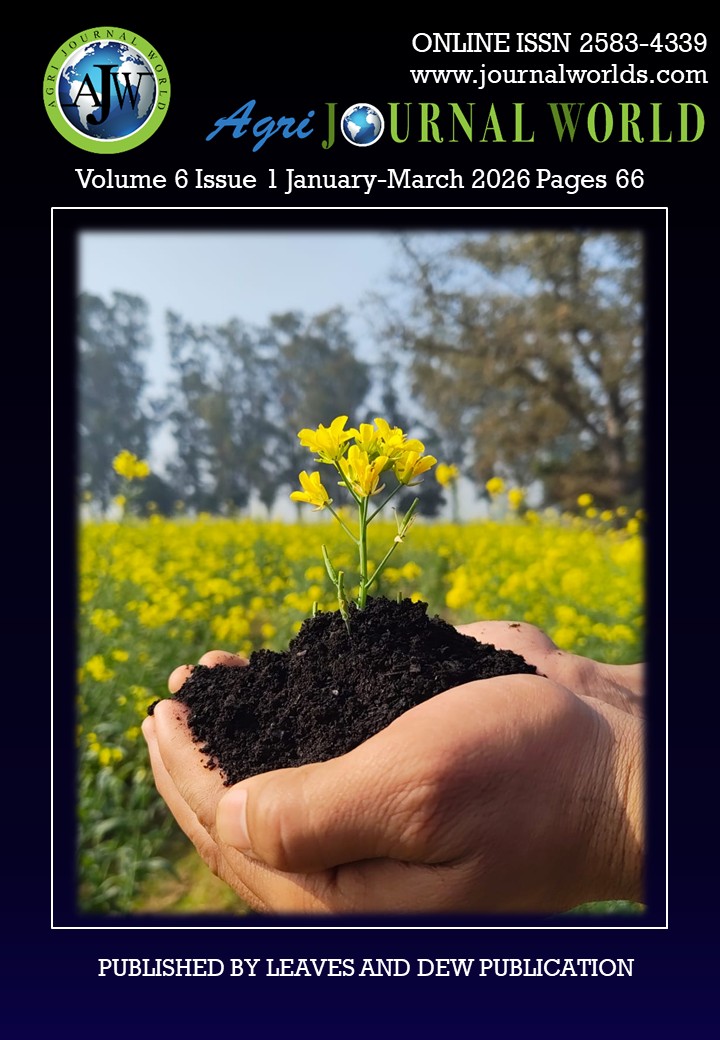
Our Previous Magazines










Our Top Articles
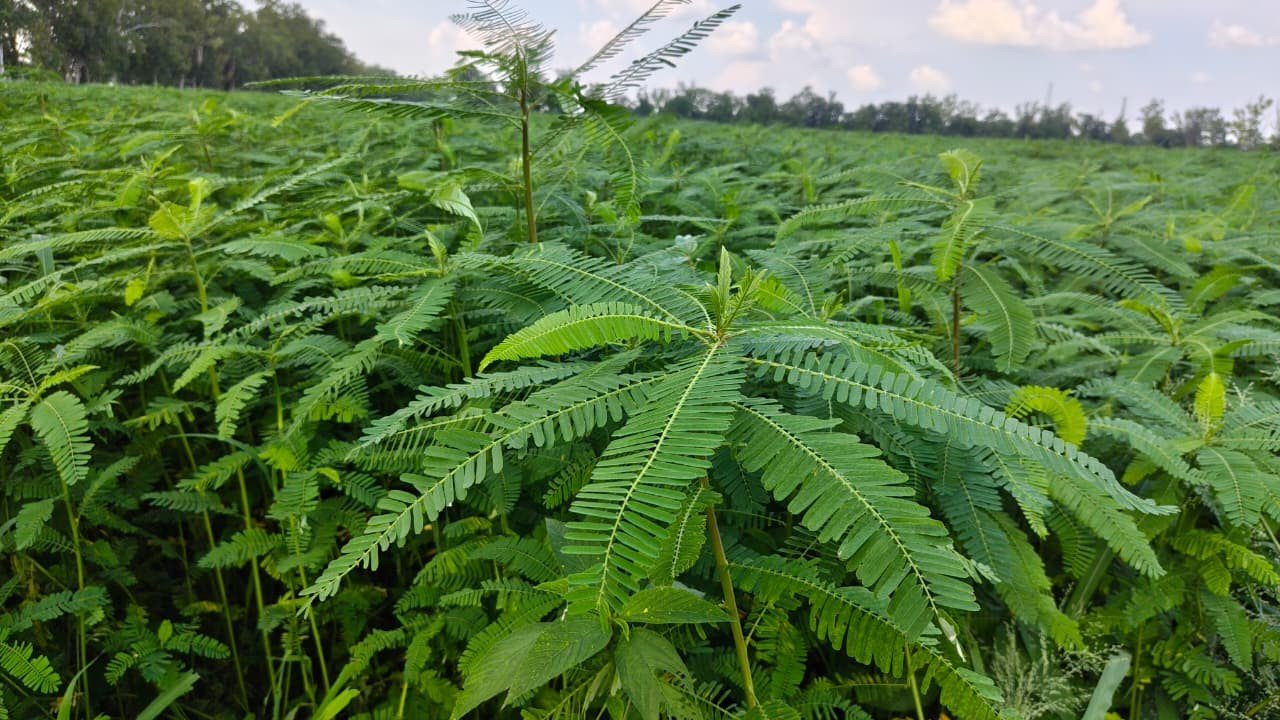
SESBANIA ACULEATA: A GREEN GOLD FOR SUSTAINABLE ...
...Dhaincha (Sesbania aculeata) is a fast-growing leguminous crop with considerable potential to promote sustainable and resource-efficient agriculture. Beyond its traditional use as green manure, it contributes to biological nitrogen fixation, biomass production, nutrient recycling and soil organic matter enrichment.
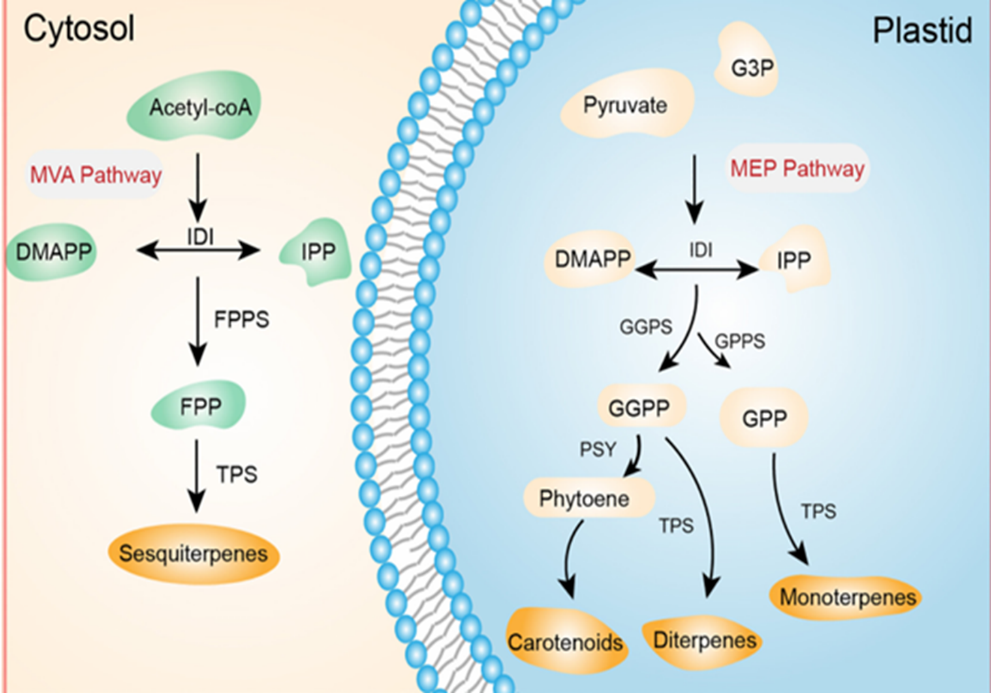
FRAGRANCE ENGINEERING IN FLOWERS: MOLECULAR MECH...
...Floral fragrance engineering integrates plant molecular biology, genetics, and biotechnology to understand and improve scent in ornamental crops. Floral volatile organic compounds (VOCs), chiefly terpenoids, phenylpropanoids/benzenoids, and fatty-acid derivatives, mediate pollinator attraction, defence, and ecological interactions. Commercial breeding has often prioritized colour, flower size, and vase life, contributing to reduced fragrance in some cultivars. This review summarizes major scent pathways, genes, analytical tools, and improvement strategies, including conventional breeding, genetic engineering, metabolic engineering, and CRISPR-based editing. Recent crop studies illustrate opportunities and ecological considerations for developing fragrant, commercially valuable flowers.
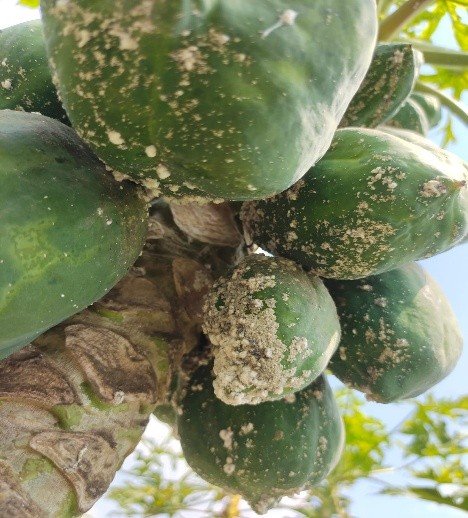
MEALYBUGS: A POLYPHAGOUS PEST OF FIELD AND HORTI...
...Mealybugs (Hemiptera: Coccoidea) are destructive, polyphagous pests affecting diverse field, horticultural, and plantation crops worldwide. Their sap-sucking activity causes plant deformation, honeydew secretion, sooty mold development, and substantial yield losses.
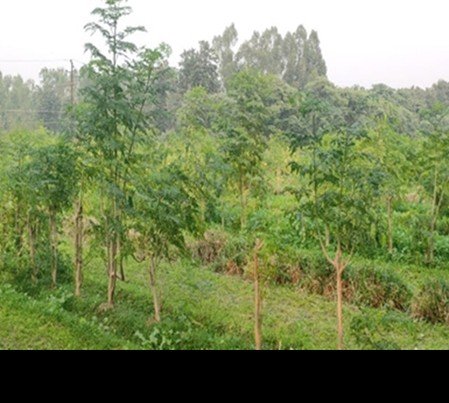
MORINGA: A MIRACLE FEED FOR GOAT KIDS...
...Goat farming is a vital livelihood source for Indian smallholders, but post-weaning nutritional stress can impair growth and increase kid mortality. Cultivating Moringa oleifera along farm boundaries offers a low-cost, climate-resilient fodder resource.
EDITOR-IN-CHIEF


Dr Shiva Dhar
Dr Shiva Dhar is a renowned researcher, working as Principal Scientist at ICAR-Indian Agriculture Research Institute. Dr Shiva Dhar is a renowned researcher, working as Principal Scientist (Agronomy) at the Division of Agronomy, ICAR-Indian Agriculture Research Institute, New Delhi.
Additional Editors-In-Chiefs
.

Dr. Dhruba Malakar
Principal Scientist & Adjunct Professor Animal Biotechnology Centre, National Dairy Research Institute, Karnal-132001, Haryana, INDIA
dhruba.malakar@icar.gov.in
Dr. Masoumeh Younesabadi
Head, Plant Protection Research Department Agriculture and Natural Research and Education centre of Gulestan Province, Iran
myounesabadi8@gmail.com
Dr Sanjeev Kumar
Scientist, Agronomy (FR & MC) Section, ICAR-National Dairy Research Institute, Karnal, Haryana 132001
Sanjeev.Kumar17@icar.gov.inMEMBERSHIP BENEFITS


Our Testimonial
.
A great platform for Agriculture knowledge upgradation

Ms Eung Kagna
(Finance and Partner Manager at Aide et Action International)"Agri Journal World is the best Interface between Authors and Readers in the Domain of Scientific Agriculture”

Dr. Veeraraghavaiah Ravuri
(Director– Agriculture, K L University, Andhra Pradesh)"Agri journal world is best platform to showcase our skills and technology for farming community"