
 BECOME A MEMBER
FRAGRANCE ENGINEERING IN FLOWERS: MOLECULAR MECHANISMS, TOOLS & FUTURE PROSPECTS
Read Full ArticleKeywords
- Floral fragrance
- Volatile organic compounds
- Terpenoids
- Phenylpropanoids
- Genetic engineering
- CRISPR-Cas9
Magazine: July-September 2026
Page: 56 - 62
Volume: 6
Issue: 3
Issue Date: 10 October 2026
Abstract
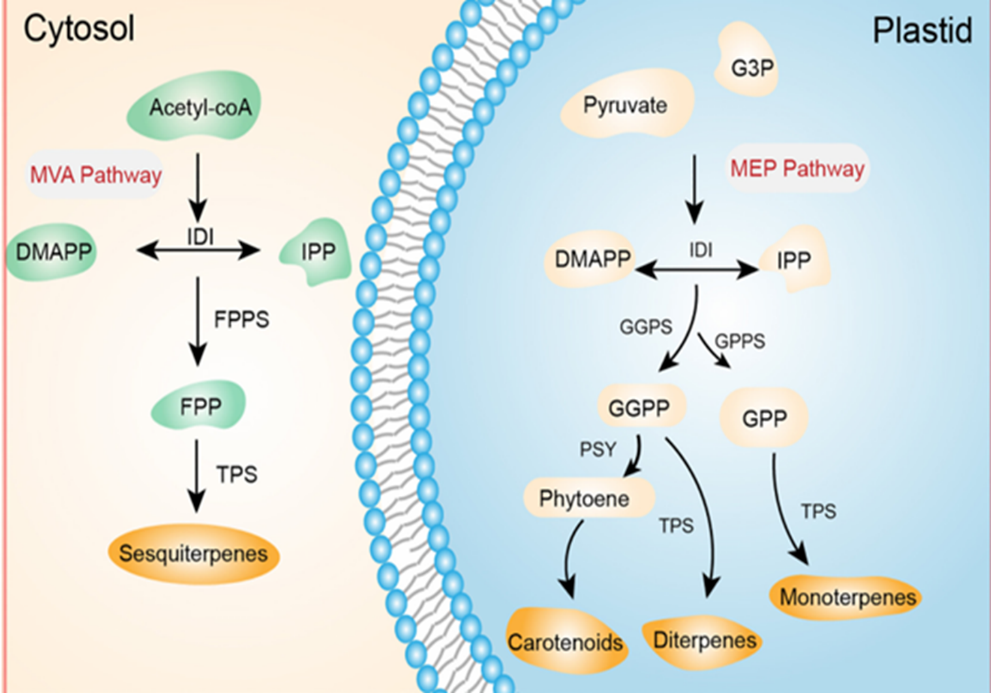
Floral fragrance engineering integrates plant molecular biology, genetics, and biotechnology to understand and improve scent in ornamental crops. Floral volatile organic compounds (VOCs), chiefly terpenoids, phenylpropanoids/benzenoids, and fatty-acid derivatives, mediate pollinator attraction, defence, and ecological interactions. Commercial breeding has often prioritized colour, flower size, and vase life, contributing to reduced fragrance in some cultivars. This review summarizes major scent pathways, genes, analytical tools, and improvement strategies, including conventional breeding, genetic engineering, metabolic engineering, and CRISPR-based editing. Recent crop studies illustrate opportunities and ecological considerations for developing fragrant, commercially valuable flowers.